Building in the open

A roguelike, built live with AI

A C++ author who'd never made a browser game, building one in public — every decision documented, the game always evolving, never quite finished.

Play full screen →

Controls

What this is

I've spent years writing C++ books that teach people to build games. I had never once made a game that runs in a web browser — I didn't know how. So rather than quietly learn it in private, I'm doing it in the open, with AI as my collaborator, and writing down every decision as I go.

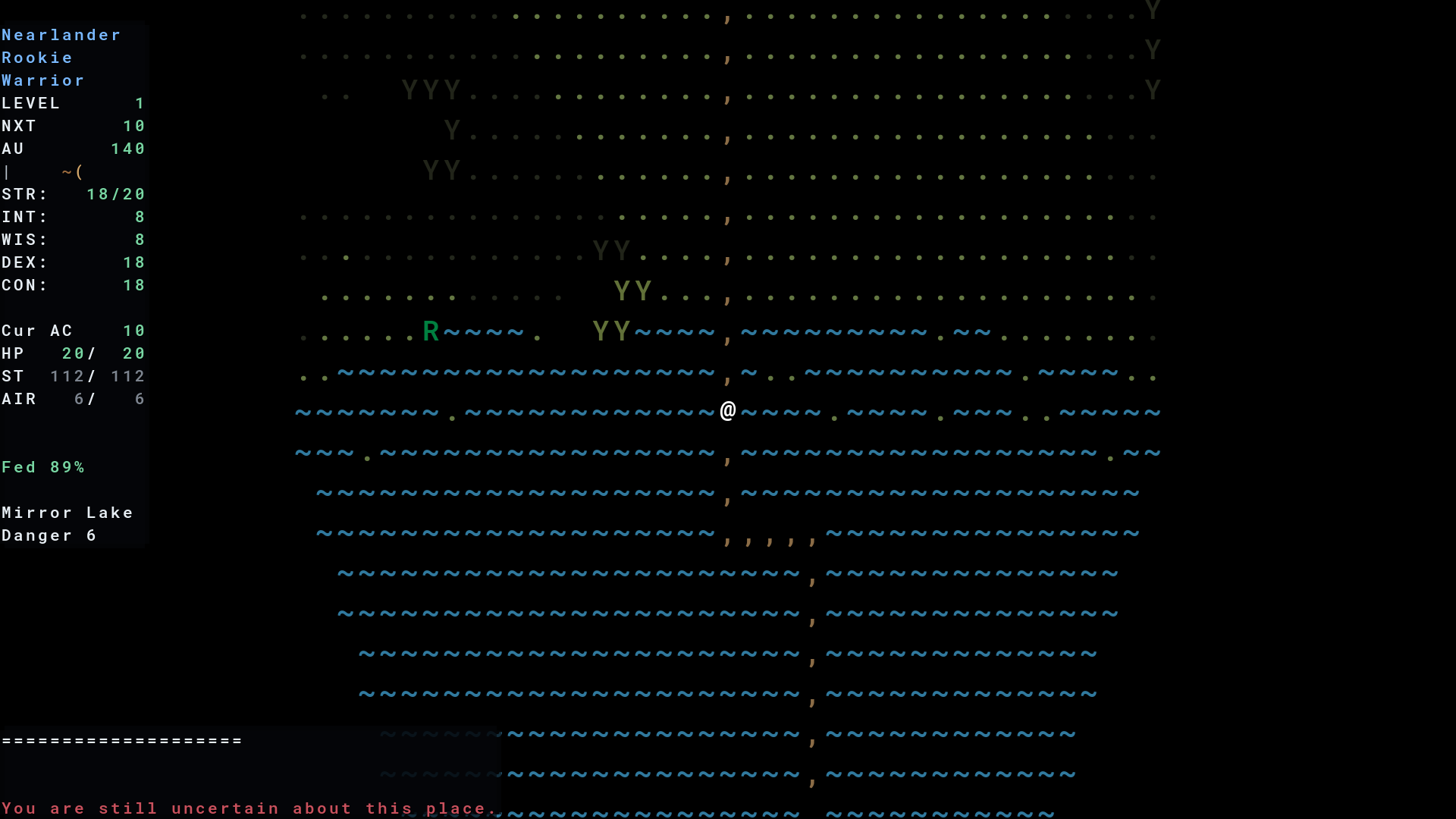
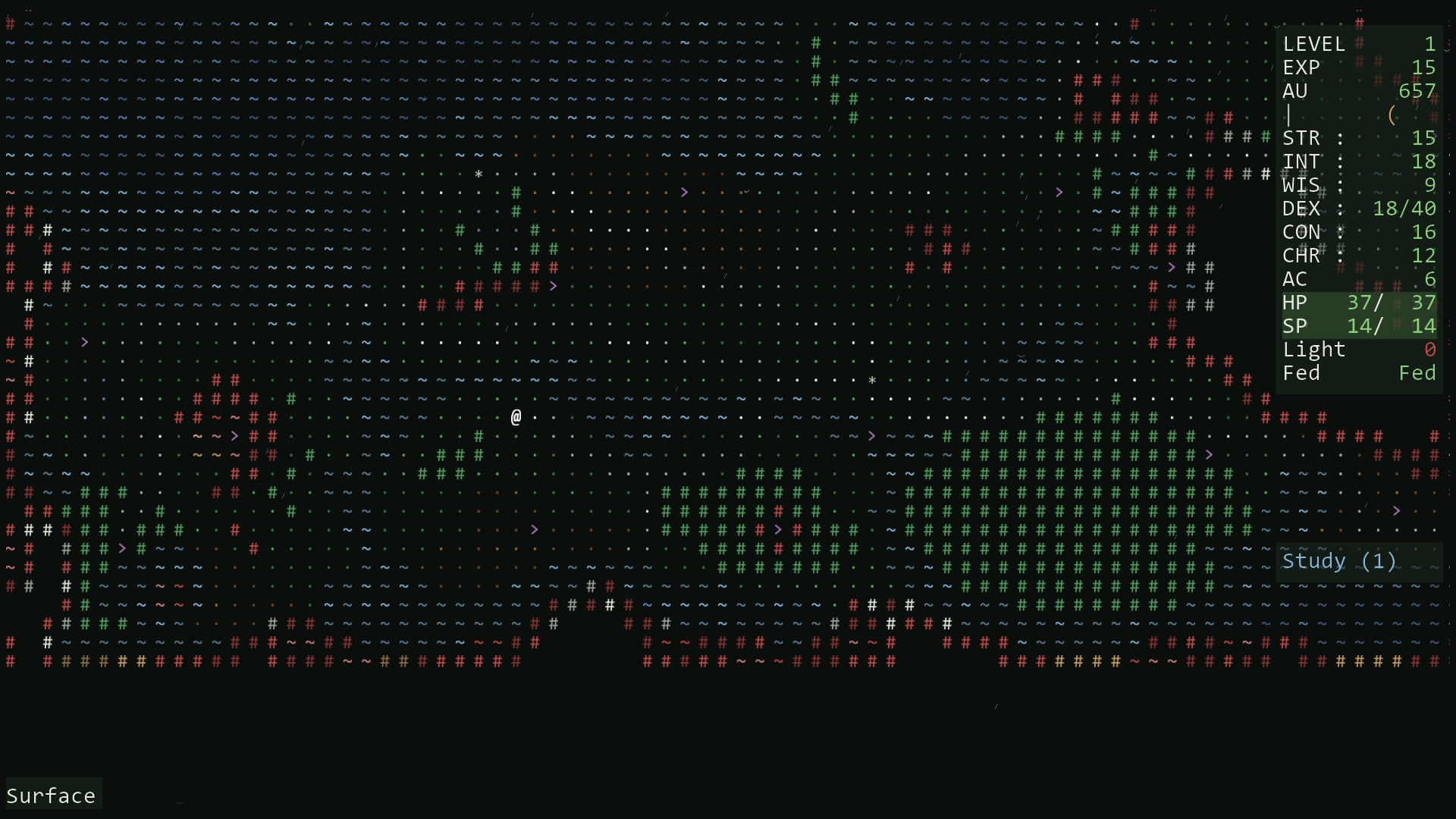
The game is a roguelike: a top-down dungeon you explore a turn at a time. But it isn't a finished product marching toward a release date — it's a garden. It grows. Some weeks it gains a monster, some weeks a fishing hole, some weeks something neither of us saw coming. The one rule is that it's always playable: whatever exists today, you can play right now, up above.

Where it might get strange

A traditional roguelike is a wonderful, well-worn thing — and on its own, a crowded one. What interests me is the moment a roguelike stops behaving like one. We're building the engine so the dungeon is only one mode among many, which means the floor can quietly fall away beneath the genre's feet. A few of the ideas the two of us are turning over — no promises, that isn't how a garden works:

How honest is "with AI"?

Completely. AI writes a great deal of the code — I'm not pretending to do this the hard way. My job is the thousand small judgements: what the game should feel like, what's worth keeping, what to throw away. When the AI gets something wrong, that goes in the devlog. When it does something that genuinely surprises me, that goes in too.

Two windows onto the same craft

Under the torchlight, this little web game runs on exactly the ideas I've spent years teaching in C++: procedurally generated dungeons, shadow-casting field of view, turn scheduling, pathfinding that lets a monster hunt you through corridors it can't even see. I'm building them here in JavaScript — a language I genuinely don't know — with AI doing the heavy lifting.

So as each system goes in, I'll often double back and show how the very same thing works in C++, the language I do know, over in my C++ roguelike series and Learning C++ by Building Games. One idea, two windows: the honest, AI-assisted scramble to make it work in the browser, and the patient, hand-written version in the language I've taught for decades. I suspect the contrast will teach me as much as anyone reading.

The devlog

Every step the game takes gets written up here — the decisions, the dead ends, the things AI fumbled and the things it nailed. No roadmap, no finish line; just a living game and an honest record of building it.